Editorial: The sun, our greatest enemy
An editorial signed by the editors-in-chief of the dossier
Christophe Rodriguez, Director of IFPEB; Clémence Bechu, Associate Director of Bechu & Associés Agency; Marion Cintract, Project Manager for Sustainable Strategies for Territories at Suez Consulting Engineering.
Without the sun, life on Earth would not exist. And yet, in an era of climate disruption, its presence is paradoxically becoming counterproductive. What was long celebrated as a promise of light, warmth, and vital energy has now become one of the main silent adversaries of our cities...
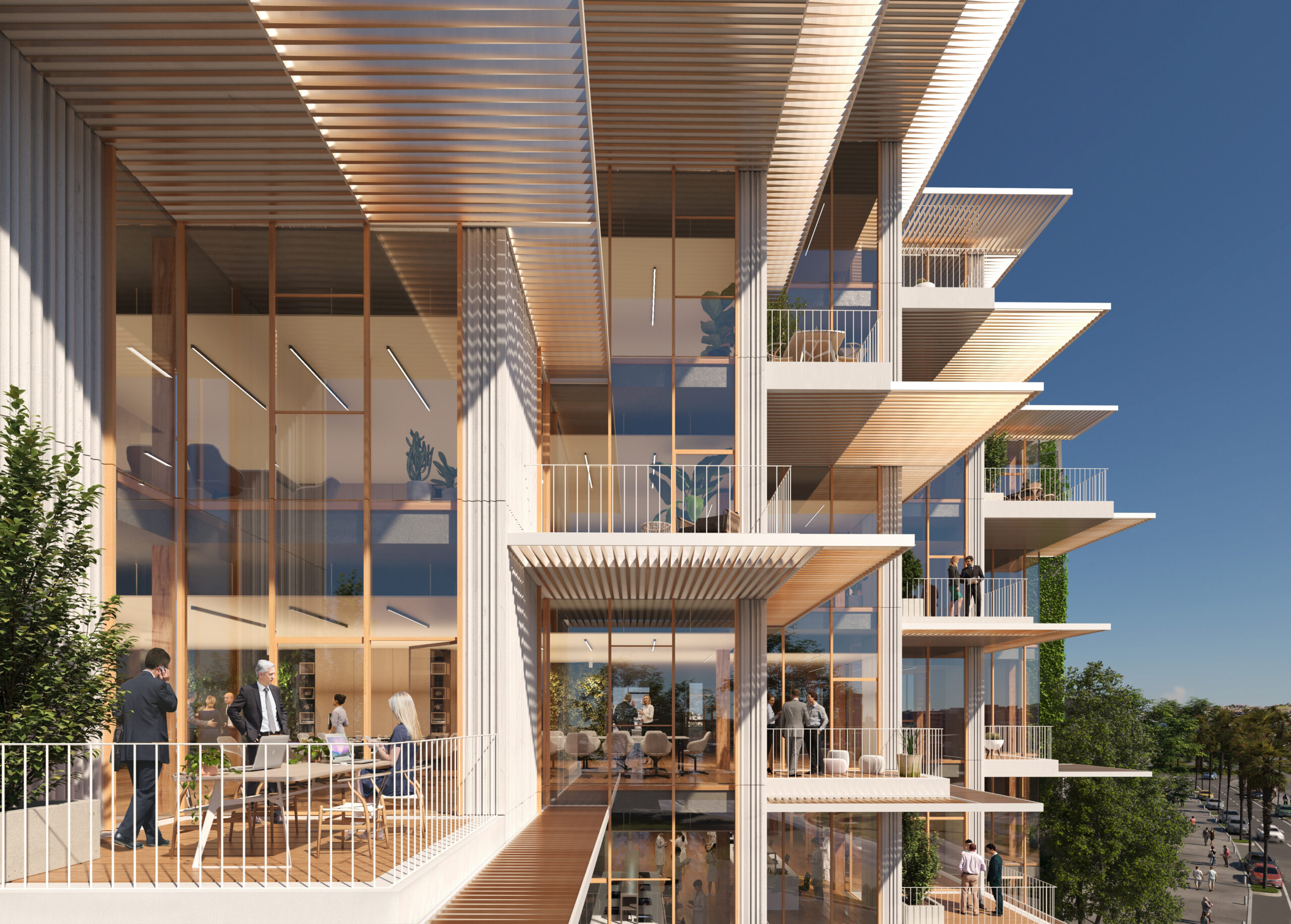
Faced with early, intense, and prolonged summers, summer comfort has become the new essential challenge for architecture and urban planning.Faced with early, intense, and prolonged summers, summer comfort is emerging as the new essential challenge for architecture and urban planning.
More than just a matter of comfort, it has become a public health concern and an economic and social imperative.
Recent events have demonstrated, in a brutal way, the urgency of our adaptation to a warmer climate. A massive air conditioning failure interrupted the broadcast of all the France Télévisions channels during one morning, depriving millions of households of a familiar reference and revealing the vulnerability of our infrastructures faced with overheating. A power outage at the Paris Courthouse, following extreme heat, paralyzed several hearings, illustrating how much the continuity of public services can be put in danger by a simple thermal peak.
Let us cite also the increased pressure on emergency services, confronted with influxes of patients suffering from hyperthermia or dehydration; the early closing of schools to protect pupils and staff, disturbing families and educational organizations; or the thousands of workers forced to bear trying conditions to guarantee their salary at the end of the month.

On this point, this historic heat wave has led to a major change in the Labour Code.
Article L4121-1, which requires companies to "take all necessary measures to ensure safety and protect the physical or mental health of employees", has been reinforced by a decree specific to heatwaves: new obligations now apply as soon as there is yellow, orange, or red vigilance from Météo France.
An associated decree, dedicated to the construction sector, even provides for compensation to companies forced to stop their activity, via the bad weather leave fund.
All these events, which previously might have seemed anecdotal or isolated, are now structural. Summer is no longer simply a seasonal moment: it has become a factor of disorganization, a revealer of our collective vulnerabilities, a pressing call to rethink our ways of living, building, and renovating.
But rather than giving in to fatalism, we can choose to relearn how to work with the sun.
This is what we wanted to illustrate in this dossier, whose content offers concrete and inspiring approaches.
Because ultimately, it remains what it has always been: the silent engine of life, the magician of photosynthesis, the most generous and universal source of energy.
It is up to us to tame it, to honor it, and to make it a powerful ally for imagining cities that are more efficient, cooler, and more vibrant.
Public policy supporting climate change mitigation (levers acting on the consequences of climate change) has evolved to establish a mature framework with ambitious, long-term, quantified objectives, reinforced by concrete obligations and support mechanisms. It is difficult to say the same for climate change adaptation issues. Heat waves are already becoming more frequent and intense, and according to climatologists, scenarios involving 50-degree heat spikes are conceivable by 2100. There is a need to support a real shift in real estate, technical, and architectural culture to adopt a genuine adaptation reflex.
The solutions presented in this dossier range from passive to architectural and technological solutions, always with the aim of improving summer comfort in buildings and public spaces, using solutions that contribute to decarbonization: detection and prioritization of areas exposed to urban overheating, bioclimatic building design, insulation materials and shading systems, architecture and urban planning, nature-based or nature-inspired solutions, passive or low-emission cooling and ventilation methods, and feedback from exemplary projects.
Building with heat: toward climate wisdom
As France discovers—sometimes with astonishment—the increasing scale of heat waves, summer comfort is becoming a central concern. And what if regions already familiar with heat could inspire the transition for others? Far from the standardized models of the twentieth century, a silent revolution in design is taking place: drawing from vernacular know-how, enriching it with digital tools, and inventing an architecture that is efficient, sensitive, and resilient.
Urban and architectural design is undergoing a profound transformation that, in France as in most European countries, is rooted in a long history: that of inherited urbanism, which created functional, segmented, and standardized cities. This urbanism was shaped by the needs of reconstruction, industrial growth, and later by financialization, which turned buildings into products often disconnected from their cultural and climatic context. But this model is coming to an end. Climate change, in particular, requires a reversal of logic: buildings can no longer be designed against the climate, but with it. In this context, summer comfort is one of the most concrete indicators: it is no longer a matter of compensating for heat with machines, but of preventing, taming, and transforming it through a regenerative approach.
Découvrir les insightsDécouvrir les insightsDrawing inspiration from those who already live with heat. All over the world, populations have developed architectures adapted to high temperatures. Dense, shaded urban fabrics, courtyards, mashrabiya screens, wind towers, green roofs, thermal inertia... These traditional features are all passive, empirical, and effective responses. By building on this vernacular know-how, designers can imagine frugal, contextual solutions that provide comfort without relying on energy-intensive systems.
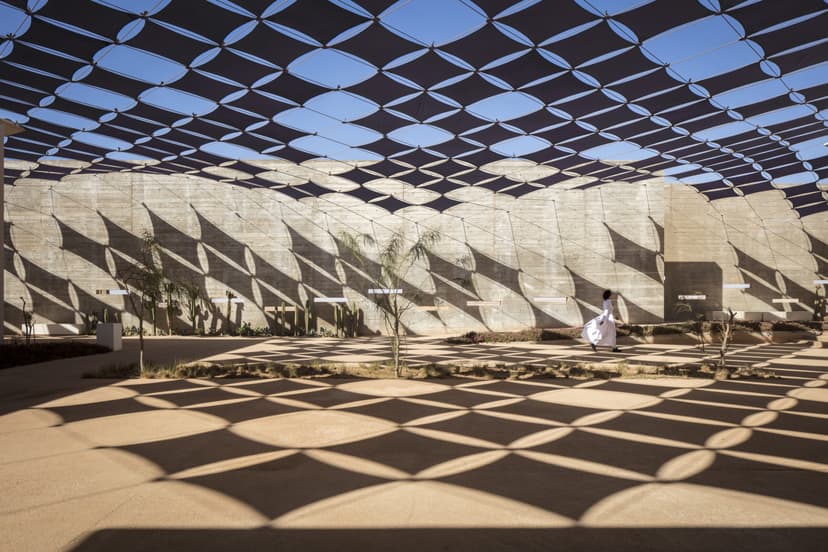
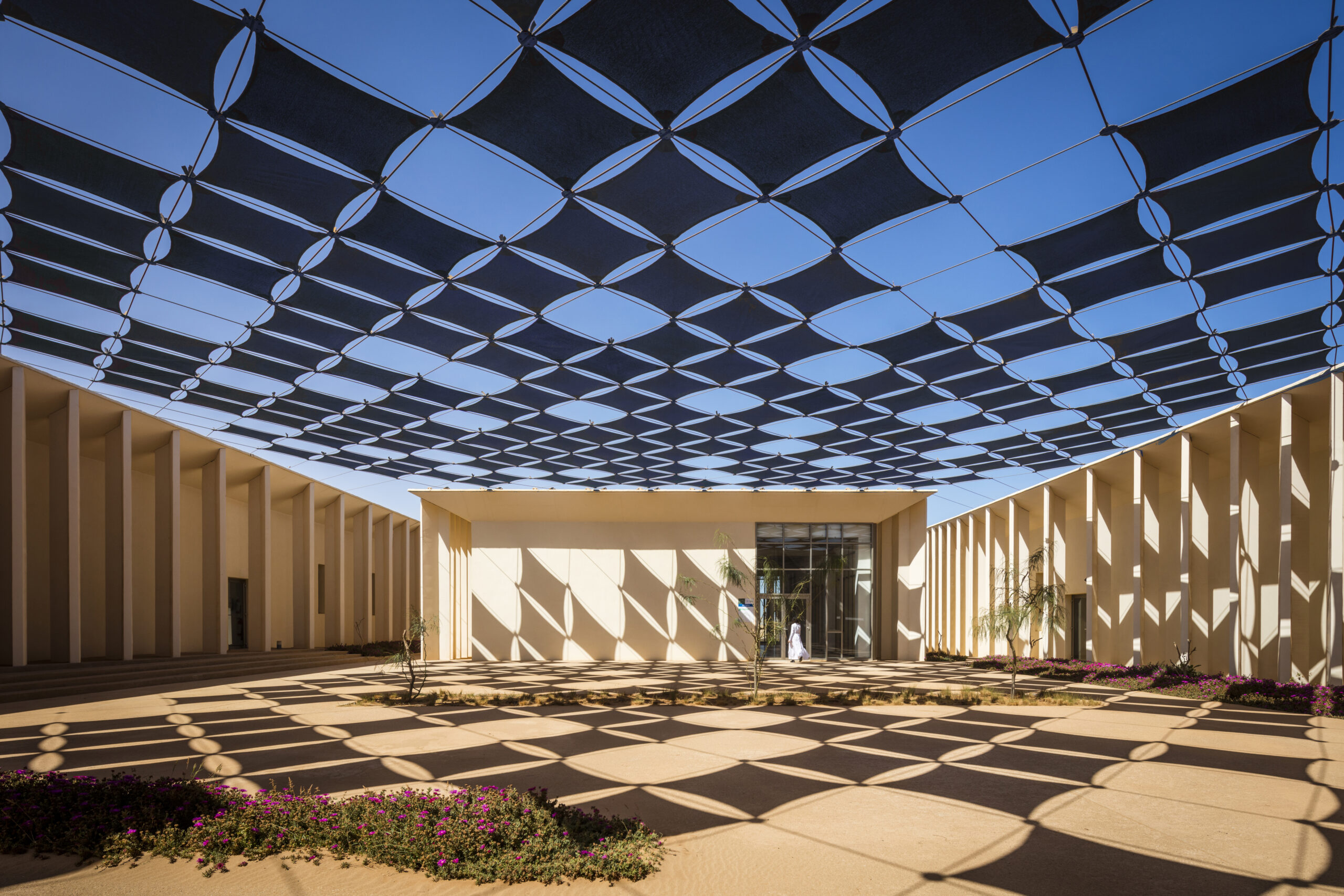
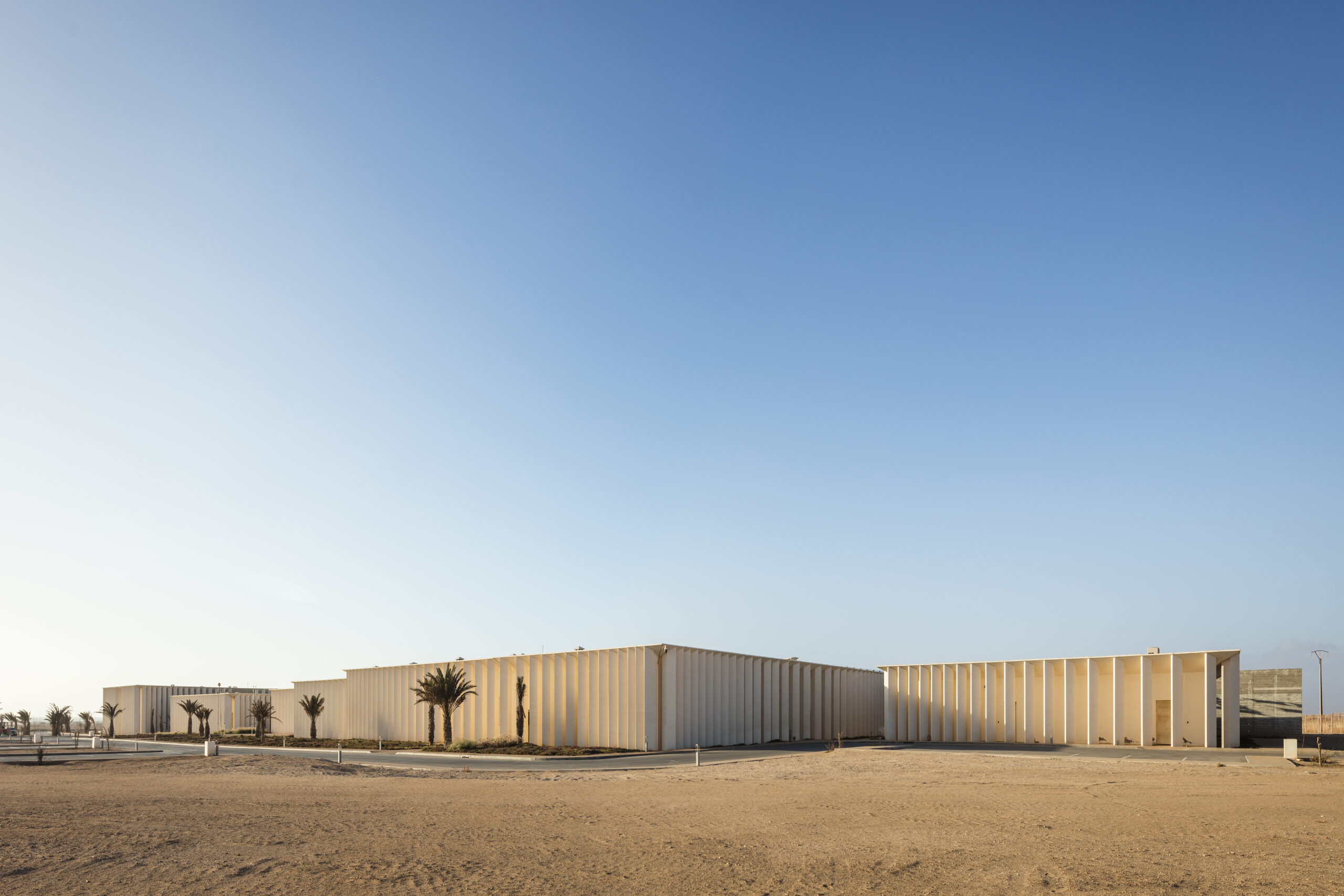
In Laâyoune, in southern Morocco, we designed a research laboratory complex by combining, in particular, the principles of the bagdir—traditional wind towers—with parametric modeling tools.
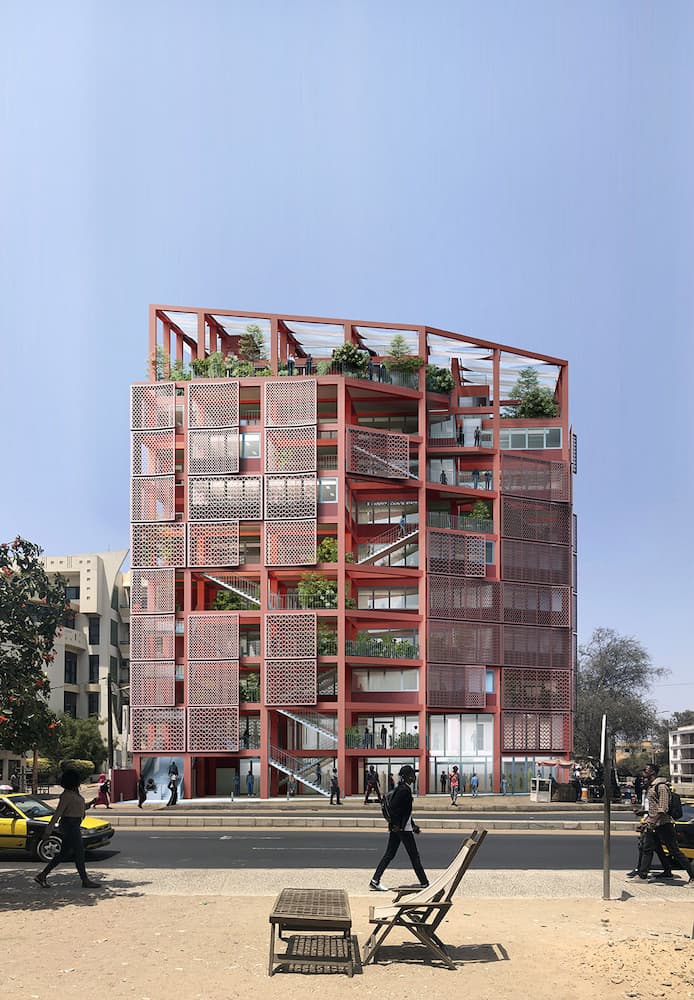
The goal: to create an energy self-sufficient building, right in the middle of the desert. The building breathes, ventilates, self-regulates... without air conditioning. In Dakar, we have just delivered a vertical campus for the ISM group, where students were able to start the school year in a building benefiting from natural ventilation and achieving nearly 70% energy passivity.
To innovate often means to reinterpret intelligently.
Digital tools do not oppose traditions. Quite the contrary. Parametric design, thermal simulations, and real-time environmental analysis make it possible to reinterpret traditional features, adapt them to contemporary constraints, and integrate them into complex programs.
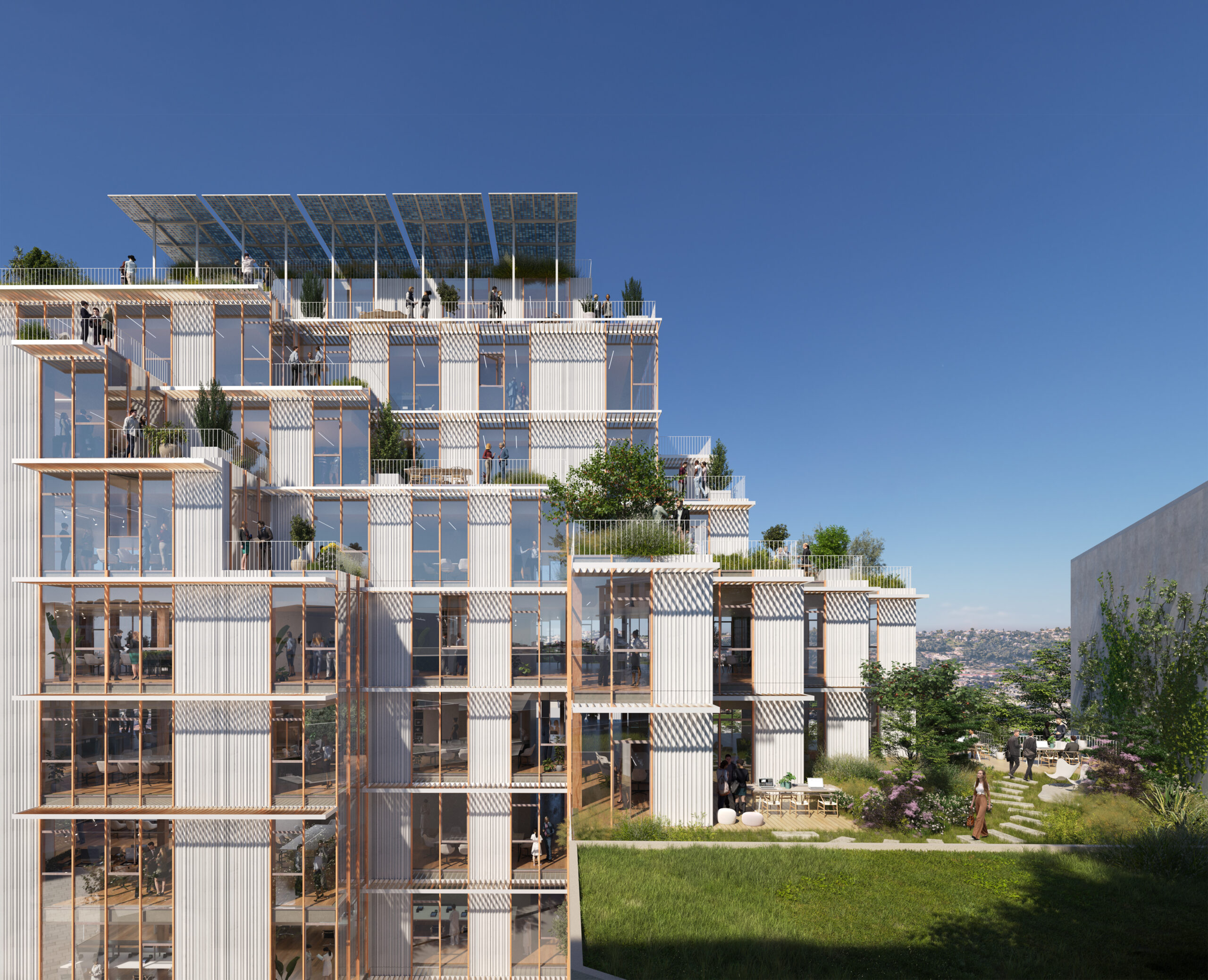
In Nice, a building project inspired by the morphology of a cactus (ferocactus) exemplifies this biomimetic approach.
The crenellated envelope optimizes natural ventilation, shade, and heat dissipation. The architecture is inspired by living organisms… to better inhabit the city, resulting in a reduction of over 30% in direct sunlight.
Climate: the new player in architectural culture
This shift in our approach to design is also reflected in the cultural sphere. At the 2025 Versailles Biennale of Architecture and Landscape, architect and theorist Philippe Rahm presented a landmark exhibition entitled “4 Degrees Celsius Between You and Me.” Embracing the hypothesis of a world at +4°C, he explores how climate influences our perception of space, our social relationships, and our ways of life.
Through a sensitive yet scientific approach, he demonstrates that the architecture of the future will not only have to deal with heat, but also to stage it, channel it, and redistribute it. This reminds us that climatic architecture is not merely a matter of technology or materials, but also of aesthetics and culture.
This exhibition reminds us how much the notion of summer comfort is eminently subjective, context-dependent, and sensitive. It opens up a new grammar for architectural projects, where air, light, humidity, wind, and shade become materials in their own right.
Thinking of the city as an ecosystem
Summer comfort cannot be considered solely at the building scale. It also depends on the urban fabric, vegetation, soil permeability, soft mobility, and social uses—in short, on the overall quality of the living environment.
Today, a resilient city is no longer content to simply reduce its impacts. It restores, compensates, and cares. It becomes regenerative. And this often begins by revisiting the past: architecture that is efficient, rooted in local bioclimates, and capable of providing comfort… without artifice.
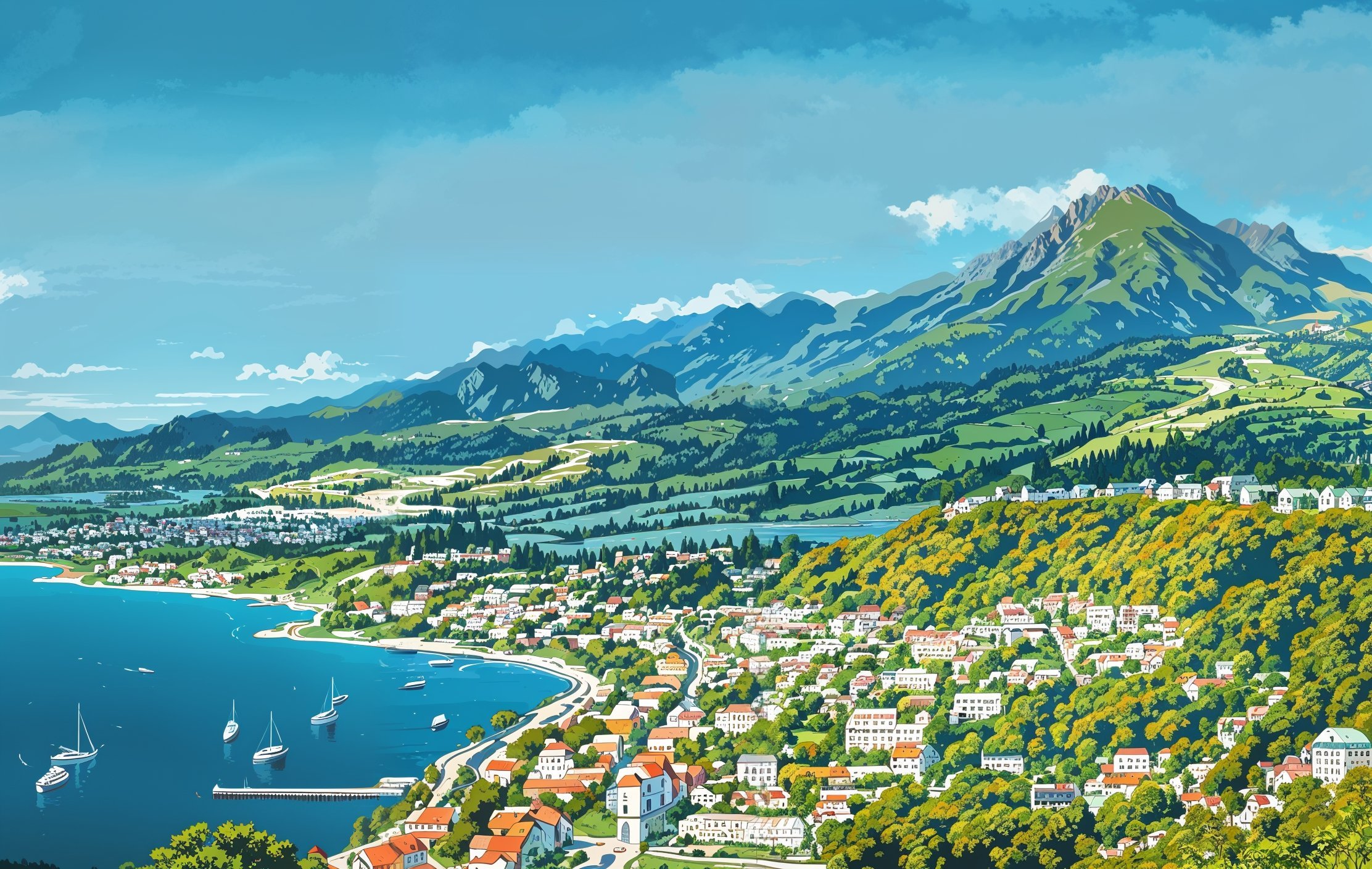
In Martinique, in the municipality of Le Lamentin, a climate-focused urban planning mission in partnership with The Climate Company allowed us to rethink planning at the scale of a territory exposed to urban heat islands, flooding, and tropical humidity.
This systemic approach combines climate risk mapping and projection, plant networks, and a strategy to reduce soil sealing.
From constraint to opportunity: what if the climate constraint became a source of innovation?
Far from a defensive outlook, climate adaptation can open up a new era for architectural creativity: more grounded, more humble, more precise—but also more expressive.
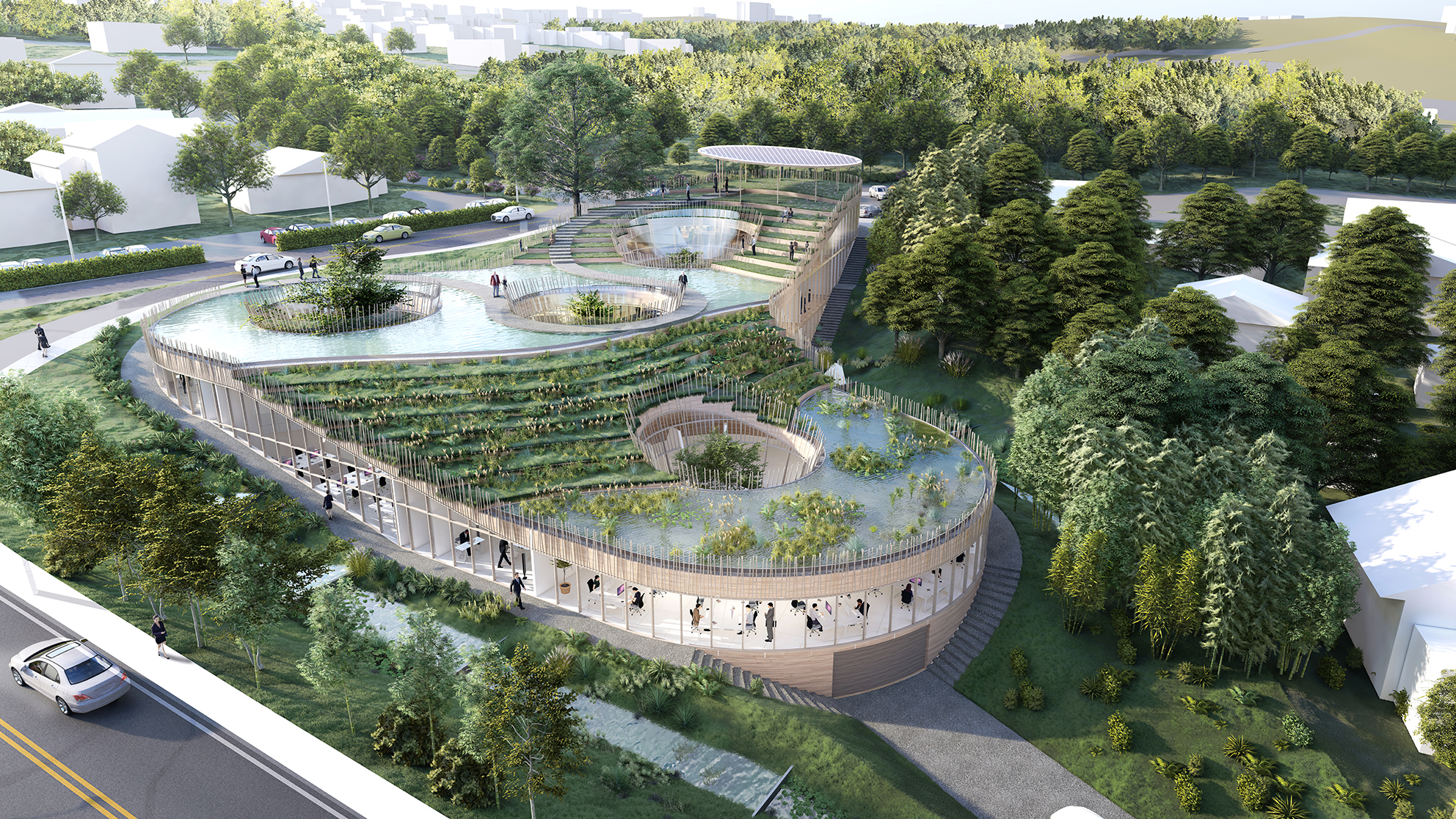
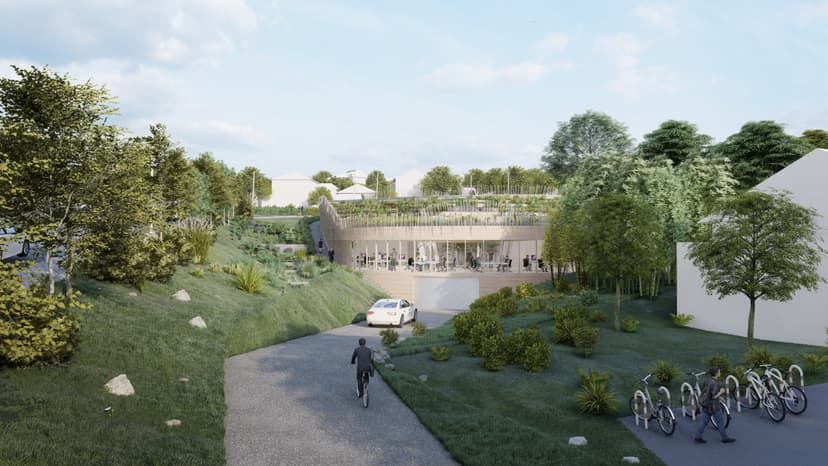
The Estran project in Biarritz makes use of the water cycle to cool the building but also to preserve this scarce resource, by fully integrating water as a key element in the design.
Architecture then becomes a mediator: between humans, their climate, and the living environment that surrounds them.
Toward climate wisdom?
Faced with rising temperatures, building with heat is becoming a fundamental act. This transformation in our relationship to architecture is not a step backward, but a return to common sense, enriched by the tools of the present.
Designing where it is already hot is not just about adapting. It is about anticipating. It is about learning to do better, with less. It is about rediscovering a climate intelligence we thought was lost.
An article by Clémence Bechu – Bechu & Associés
